TL;DR
A Saniflo that hums or buzzes without pumping usually has a jammed impeller or a failed capacitor; one that runs constantly or switches itself on is almost always letting water creep back through a worn non-return valve or a faulty pressure switch; and a weak or slow flush points to a partial blockage or limescale build-up. Stop using the fixture, isolate the unit at the fused spur if it's safe to do so, and request a quote online for a repair.
Reading the symptoms
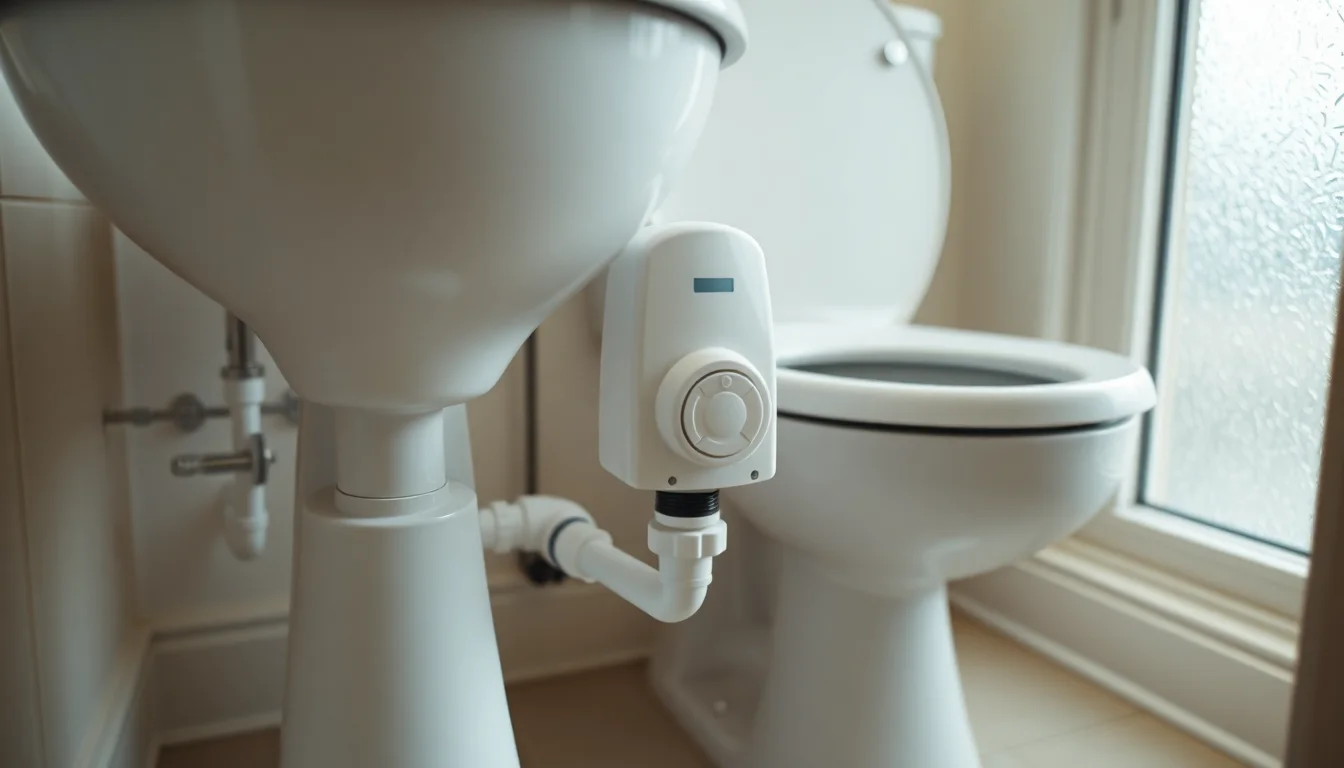
Saniflo and other macerator units are fairly simple electro-mechanical pumps, and the way they fail tends to follow a pattern. A steady hum or buzz with no discharge means the motor has power but the impeller can't turn — usually because something has jammed the grinding chamber, such as a wipe that shouldn't have gone in, or because a failed capacitor can't give the motor the initial push it needs to start.
A unit that runs continuously, or cycles on when nobody has used it, is almost always letting water find its way back into the chamber. The two usual culprits are a non-return valve that's worn and no longer sealing properly, or a pressure switch that's misreading the water level and triggering the pump unnecessarily. Left running like this for long enough, the motor can overheat.
A slow or weak flush that struggles to clear the bowl is often down to a partial blockage, or to limescale narrowing the pipework and coating the impeller. Bath sits on a limestone landscape and its water supply is hard, so scale build-up inside a macerator's discharge pipe is a genuinely common cause of a weakening flush over time, particularly in units that have been running for several years without any descaling.
What should never go into a macerator
Saniflo units are designed for human waste and toilet paper only. Everything else is a potential jam waiting to happen:
- **Wet wipes**, including ones marketed as flushable — they don't break down fast enough and tend to wrap around the impeller
- **Cotton buds and sanitary products**, whose fibres snag and build up quickly
- **Kitchen roll**, which is far more resilient than toilet paper
- **Dental floss**, which can form a net that traps everything else
- **Fats and cooking oils**, which solidify inside the unit and attract debris
Keeping these out, and descaling periodically in a hard-water area like Bath, is the single most effective way to avoid a callout in the first place.
Repair or replace?
Most Saniflo faults are repairable rather than terminal. Membranes, microswitches, pressure switches, non-return valves and capacitors are all replaceable parts, and a chamber clogged with limescale can usually be descaled and put back into service. A unit that's had one part fail is normally worth fixing.
Replacement starts to make more sense when a unit has been struggling for years — persistent scale damage, a motor that's overheated repeatedly, or a history of jams despite regular care can all mean the cost of chasing further repairs starts to outweigh the benefit. An honest assessment on site, checking the motor, impeller and general condition of the unit, is the only reliable way to know which situation you're in. Our Saniflo repair engineers cover Bath and the surrounding area for exactly this kind of diagnosis.
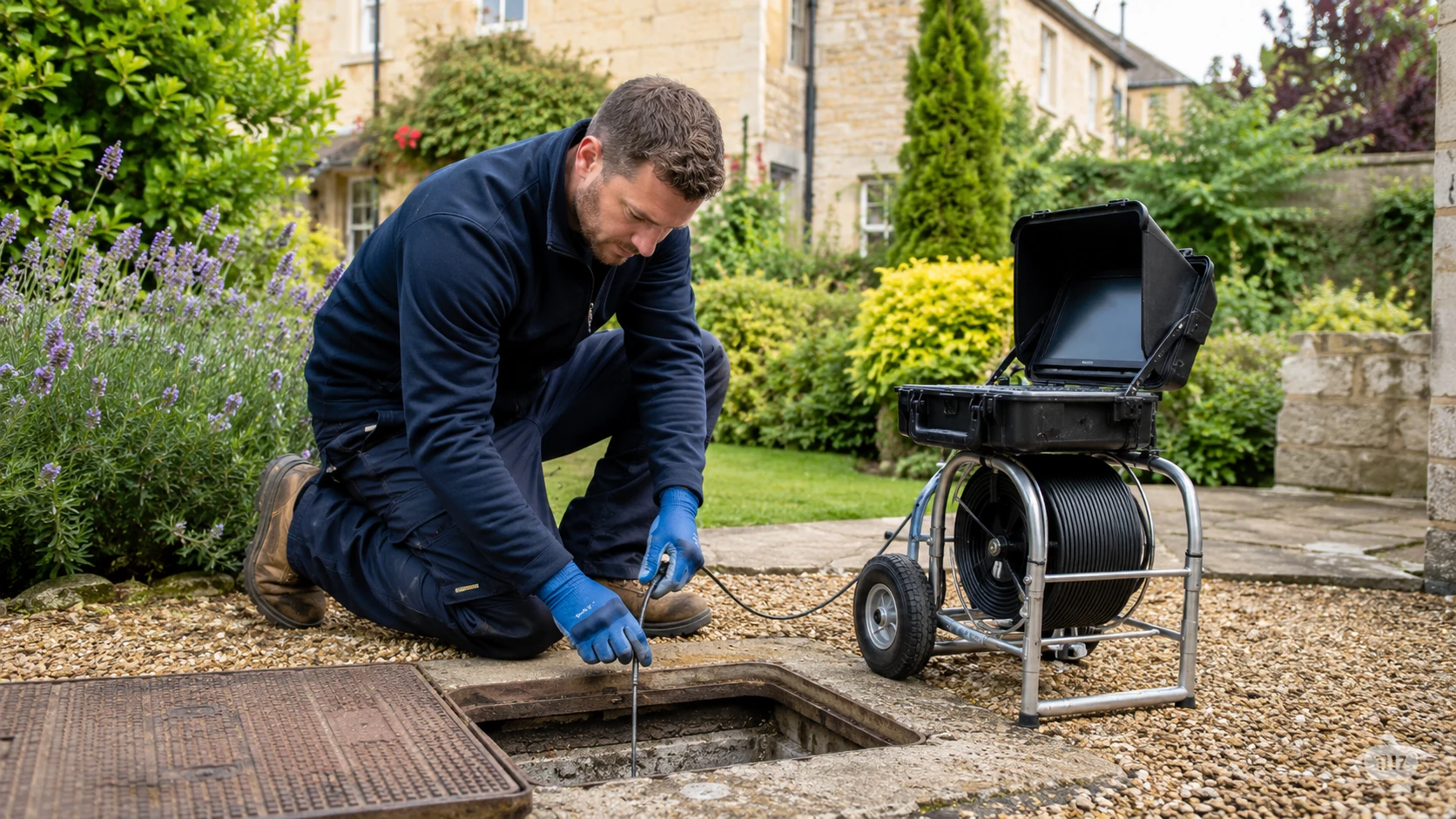
If a macerator fault has been left running for a while, it's also worth having the wider drainage checked — a struggling Saniflo can sometimes be a symptom of a blocked drain downstream rather than a fault with the unit itself, and if waste has already backed up into the property, our emergency drain service can help contain the situation while the macerator itself is repaired.
What to do the moment you notice a fault
- **Stop using the fixture.** Continuing to flush or run water into a struggling unit risks pushing waste further into a jam, or overloading a motor that's already fighting a fault.
- **Isolate the power**, if you can do so safely, at the fused spur that supplies the macerator. This removes any electrical risk and stops the motor running dry.
- **Avoid dismantling the pump yourself.** It's fine to check the toilet pan for an obvious obstruction, but the macerator chamber itself needs the right tools to open safely.
- **Book a repair**, describing what you've noticed — humming with no pump, constant running, or a weak flush — so the engineer arrives with the right parts.
Frequently Asked Questions
**Why does my Saniflo hum but not flush?**
A hum or buzz without any pumping action usually means the impeller is jammed, often by an item that shouldn't have gone into the unit, or that the capacitor has failed and can't give the motor enough of a start. Both are common, repairable faults rather than signs the whole unit needs replacing.
**Can a Saniflo be repaired, or do I need a new one?**
Most faults are repairable — membranes, microswitches, pressure switches, non-return valves and capacitors can all be replaced individually. Replacement tends to make more sense only when a unit has suffered years of scale damage or repeated motor strain, and an engineer can tell you honestly which situation applies.
**Do I need a specialist Saniflo engineer, or can any plumber fix it?**
Macerator toilets work differently from standard plumbing, so it's worth using an engineer who specifically works on Saniflo and similar units rather than a general plumber unfamiliar with them. That familiarity is what lets a fault get diagnosed from the symptoms rather than by trial and error.
**What should never be flushed down a Saniflo?**
Only human waste and toilet paper should go into a macerator. Wet wipes, cotton buds, sanitary products, kitchen roll, dental floss and cooking fat are the most common causes of jams, and keeping them out is the easiest way to avoid a breakdown.