TL;DR
Bath's blocked drains are driven largely by old, shared pipework and the tree roots that find their way into ageing clay joints — and who's responsible for fixing one depends on where the blockage sits. Since 1 October 2011, most shared and lateral drains that connect a property to the public sewer transferred from homeowners to the local water and sewerage company under the Water Industry Act 1991; the pipework inside your own boundary remains yours. If you're not sure which applies to your blockage, request an assessment online and we'll help you work out where responsibility sits before any work starts.
Why Blocked Drains Are So Common in Bath
Bath has a specific mix of factors that make blocked drains a recurring issue across the city, more so than in a lot of newer-build towns:
- Old, shared pipework. Much of the Georgian and Victorian terraced housing in Widcombe, Bathwick and Larkhall was built with a single drain run serving several houses. It was standard practice when these streets were laid out, long before individual connections became the norm.
- Tree roots. The mature trees around Sydney Gardens, Royal Victoria Park and the city's garden squares send fine roots towards any available moisture, including slightly open joints in old clay drainage. That is a common cause of slow, worsening blockages rather than sudden ones.
- Ageing clay joints. Runs laid long before modern push-fit jointing existed have had a century and a half or more to settle and shift, and even small movements at a joint leave a lip for debris to catch on.
- Shared symptoms, split ownership. Because so many runs serve more than one house, a blockage often shows up in several properties at once, which is exactly where the question of who is responsible starts to matter.
Understanding Shared and Lateral Drains
Not every pipe carrying waste away from your home is solely "yours". It helps to know the difference between the three sections involved.
- Your drain is the pipework inside your property boundary, serving just your house.
- A shared (or "party") drain is a pipe serving more than one property before it reaches the public sewer, common under terraces where several houses were built to drain into one run.
- A lateral drain is the section of pipe that continues from your boundary out under the pavement or road to connect with the public sewer.
Historically, homeowners were responsible for all of these right up to the public sewer connection, which meant disputes were common on shared terraces when a blockage sat in a section serving multiple households.
Who's Responsible: You or Wessex Water?
That changed nationally on 1 October 2011. Under provisions made through the Water Industry Act 1991, ownership of most shared drains and lateral drains that were previously privately owned transferred to the local sewerage undertaker — in Bath's case, Wessex Water. In practice, that means:
- The drain inside your property boundary, serving only your house, remains your responsibility.
- A shared drain serving your property and a neighbour's, and the lateral drain running from your boundary to the public sewer, are now generally Wessex Water's responsibility to maintain and repair.
This is genuinely useful to know before commissioning any work, because it affects who should be dealing with a blockage in a shared section — and it's worth confirming the transfer applies to your specific pipework, since some private arrangements and newer developments can differ.
What To Do If You Suspect a Shared-Drain Blockage
If a blockage seems to sit beyond your property boundary — for instance, if a neighbour on the same terrace is experiencing the same symptoms at the same time, or the blockage is clearly in the pavement or roadway — that's a strong indicator it's in the shared or lateral section. In that case:
- Check whether neighbours sharing the same run are affected too, since a shared symptom pattern is a useful early clue
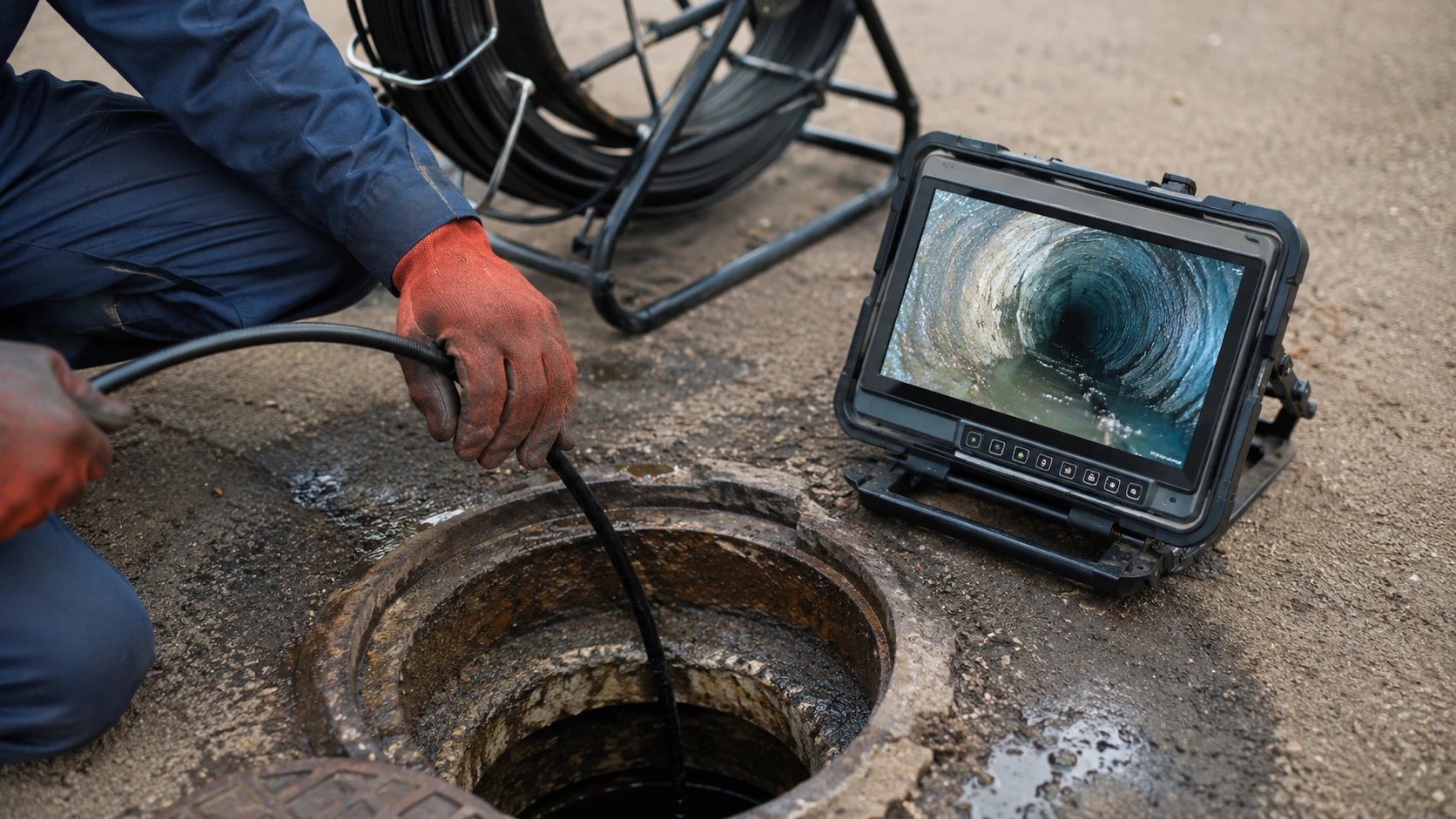
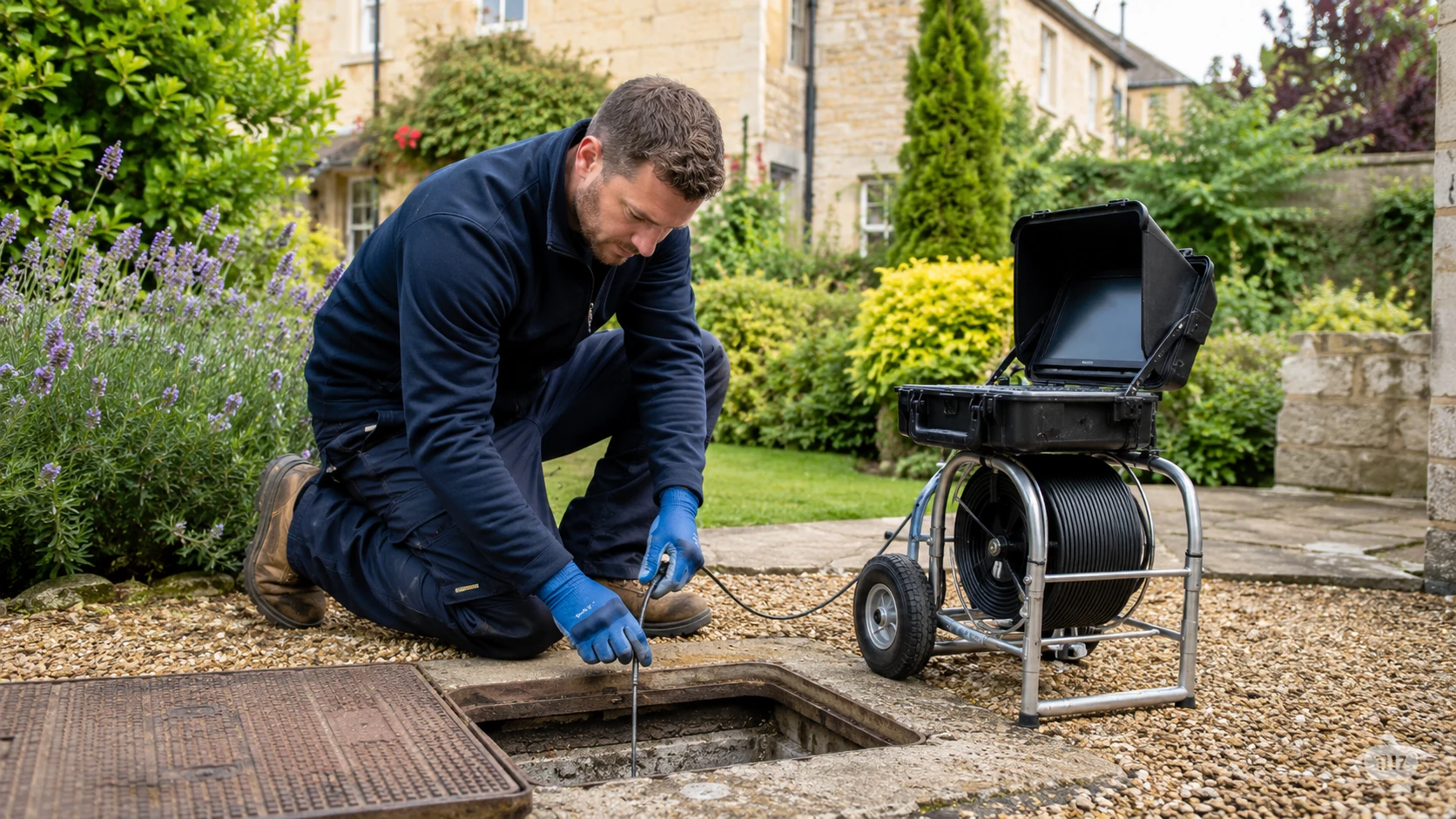
- Get a CCTV drain survey to establish exactly where the blockage sits relative to your boundary, because "probably shared" isn't the same as confirmed
- Use that evidence to establish whether the issue is Wessex Water's responsibility or your own, before commissioning repair work
If the blockage turns out to sit within your own boundary, our blocked drains and drain unblocking services cover clearing it, and our drain repairs team can address any underlying damage a survey uncovers.
Preventing Blockages in an Older Property
A few habits make a real difference on older Bath drainage in particular:
- Avoid pouring fats and oils down kitchen sinks — they set inside cooler pipework and are a leading cause of blockages in older, narrower-bore drains
- Fit strainers over gullies and outside drains to stop leaves and garden debris washing in, particularly relevant given how many Bath properties sit close to mature trees
- If a drain has needed clearing more than once in a short period, treat the repeat as a signal rather than a coincidence, because recurring blockages usually mean something wasn't fully resolved the first time
Getting Help With a Blocked Drain
Working out whether a blockage is your responsibility or Wessex Water's can be the difference between a straightforward clearance and a longer conversation with your water company — and it's not always obvious from the symptoms alone. Our post on the early signs of a blocked drain is a useful companion read if you're trying to catch a problem before it escalates.
If you're dealing with a blocked drain anywhere in Bath and aren't sure where responsibility sits, request an assessment online and we'll help establish what you're looking at before recommending next steps.
FAQ
How do I know if my blocked drain is shared?
Look at where it sits relative to your property boundary and whether neighbours on the same terrace are affected. A CCTV survey is the most reliable way to confirm this, since shared drains aren't always obvious from ground level.
Who pays if the blockage is in Wessex Water's section?
Since the 2011 transfer, shared and lateral drains are generally Wessex Water's responsibility to maintain, meaning issues in that section should typically be reported to them rather than paid for privately — though a survey confirming the blockage's location is often the useful first step.
Does the 2011 transfer apply to every property in Bath?
It applies broadly to shared and lateral drains connecting to the public sewer, but some private arrangements and newer developments can vary, so it's worth confirming for your specific property rather than assuming.
Why do Georgian terraces get more shared-drain issues?
Many were built with a single drain run serving multiple houses, which was standard practice at the time. That shared design means a blockage or defect in one property's usage can affect several neighbours at once.