TL;DR
A cesspit is a sealed holding tank with no outlet, so unlike a septic tank it doesn't treat or discharge anything — it simply fills up until it's pumped out. In Somerset's off-mains villages, the usual warning signs are a lingering odour near the tank, slow or gurgling drains, a damp patch over the lid, or waste starting to back up. If any of these sound familiar, request a quote online and we'll arrange a visit.
Why a cesspit behaves so differently to a septic tank
A cesspit has no drainage field and no outlet pipe — it is, in effect, a large sealed container. Everything that goes down the drain stays inside until a tanker removes it. That's the opposite of a septic tank, which continually discharges treated liquid to a soakaway and only needs its settled sludge removed occasionally. Because a cesspit retains the full volume rather than just the sludge, it fills far faster than a septic tank serving a similar-sized household, and it needs emptying much more often as a result.
The signs a cesspit is nearing capacity
A handful of symptoms tend to show up together as a cesspit approaches full:
- **A lingering smell** near the tank cover or in that part of the garden, as gases escape once the liquid level rises close to the lid
- **Slow or gurgling drains** indoors, as the system struggles to accept more flow with nowhere for it to go
- **A damp or unusually green patch** of ground directly over the tank
- **Waste backing up** into the property in more advanced cases, or appearing at the access cover itself
Catching these early avoids an emergency call-out and reduces any risk of a spill in the garden.
What actually drives how involved a visit is
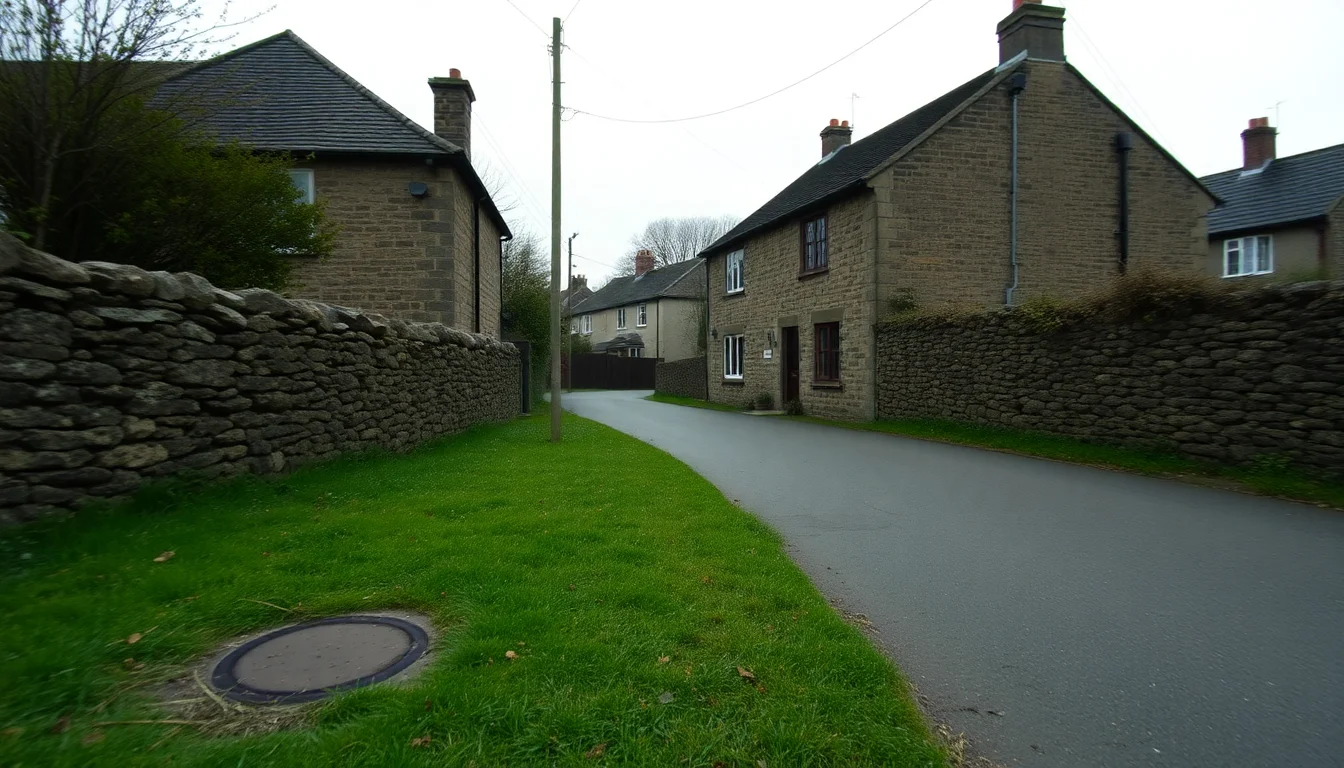
Two things matter far more than anything else: access for the tanker, and the volume that needs removing. A tank set well back from the road, down a narrow village lane, or behind parked cars and low walls, can mean a longer hose run or extra care getting the vehicle into position — something we see often in the older villages around Bath. Volume comes down to tank size and how long it's been since the last empty; a cesspit that's gone well past its usual interval will simply hold more to remove. Because both of these vary property to property, a fair quote always follows a look at your actual tank and access, confirmed in writing before any tanker attends.
What to expect when the tanker arrives
A cesspit emptying visit is more straightforward than most people expect. The engineer locates the access cover, connects a hose from the vacuum tanker, and pumps out the full contents before checking the tank for any obvious damage to the lid, seals or brickwork. Because a cesspit holds everything rather than just sludge, the process is quicker in one sense — there's no need to break up compacted solids the way there sometimes is with a neglected septic tank — but the sheer volume can mean more than one tanker load if the interval since the last visit has been a long one. Once finished, the waste is taken to a permitted treatment site and you should be left with a waste transfer note as proof of where it went.
It's worth flagging one thing that catches people out: if a cesspit fills up again unusually fast after being emptied, that's rarely a fault with the tank itself. It usually just means household water use has gone up, or a leak somewhere is adding extra flow. A good operator will mention it if the fill rate looks out of the ordinary for the size of tank.
The villages this affects most
Cesspits are a fact of life anywhere the mains sewer run by Wessex Water doesn't reach, which is the case across a scatter of villages and hamlets south of Bath. We regularly work on cesspits and septic tanks in and around Norton St Philip and Leigh upon Mendip, where older cottages and converted farm buildings were never connected to the public system. If you're weighing up whether your own property has a cesspit or a septic tank, our guide to septic tank emptying costs in Somerset covers what actually separates the two and what drives the cost of keeping either one maintained.
Frequently Asked Questions
**How do I know if my cesspit needs emptying?**
The clearest signs are a lingering odour near the tank, slow or gurgling drains indoors, a damp patch of ground over the lid, or waste starting to back up. Any one of these on its own is worth acting on quickly, since a cesspit that overflows can cause a genuine mess in the garden.
**How much does cesspit emptying cost?**
There's no honest flat price, because it depends on your tank's size, how full it is, and how easily a tanker can reach it. A reputable operator will always look at your specific property and confirm the price in writing before the tanker attends, rather than quoting blind.
**Is cesspit emptying different from septic tank emptying?**
Yes. A septic tank only needs its settled sludge pumped out, so an average household empties one roughly once a year. A cesspit holds everything that enters it, so the entire volume has to be removed each time, which is why cesspits need emptying far more frequently.
**Who is allowed to empty a cesspit?**
Cesspit waste is controlled waste under UK regulations, so it must be collected by a registered waste carrier and taken to a permitted treatment site. You should be given a waste transfer note confirming what was removed — keep it, since solicitors and buyers sometimes ask for it later.